
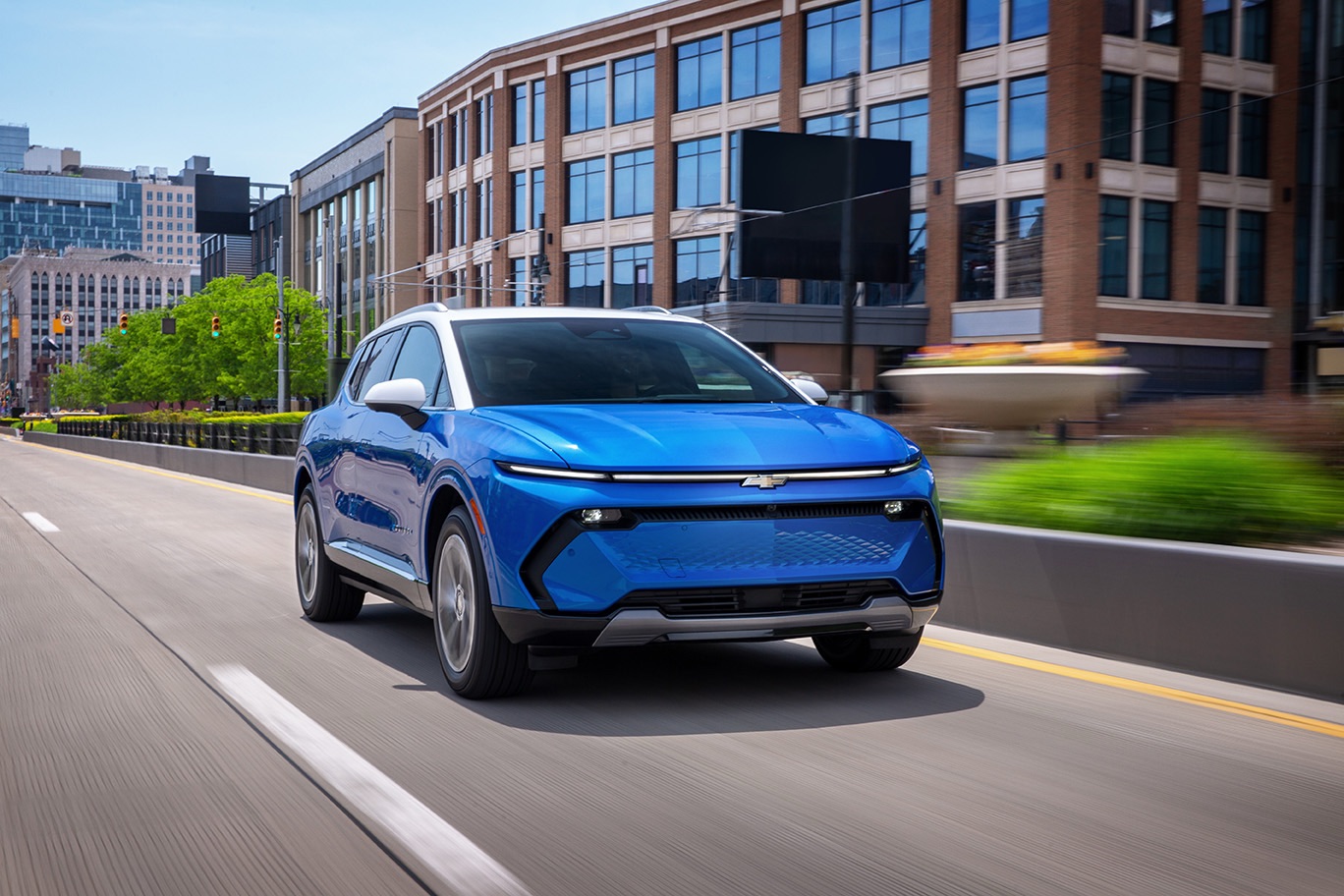
As we close out 2025 and stare down the barrel of a new tax year, the electric vehicle (EV) landscape has taken a dramatic turn. The federal tax credits that once sweetened the deal on EVs—up to $7,500 for new models and $4,000 for used—officially expired on September 30, 2025, thanks to the One Big Beautiful Bill Act (OBBBA). This repeal has left many potential buyers scratching their heads: Is going electric still worth it financially? Spoiler: Absolutely, if you know where to look. While the headline incentives are gone, a slew of under-the-radar tax perks, state rebates, and smart strategies could still slash your costs by thousands in 2026. In this post, we’ll uncover these hidden gems, debunk the doom-and-gloom, and show you how to electrify your wallet without Uncle Sam’s big handout. If you’re eyeing an EV for the new year, this could be your roadmap to real savings.
The Big Shift: What Happened to Federal EV Credits?
Let’s address the elephant in the room: Yes, the federal clean vehicle credits are toast for purchases after September 30, 2025. Under OBBBA, these incentives—designed to boost EV adoption—were axed as part of broader policy changes on clean energy. If you snagged a deal before the cutoff (or locked in a binding agreement), congrats—you might still claim it on your 2025 return. For everyone else, 2026 means no $7,500 windfall at tax time.
But here’s the silver lining: This doesn’t kill EV affordability. Gas prices are climbing, battery tech is improving, and automakers are stepping up with their own discounts to fill the void. Plus, EVs still offer long-term savings on fuel and maintenance. And crucially, several tax perks remain intact, ready to pad your bottom line.
Surviving Perks: Tax Breaks That Didn’t Get the Axe
The feds might have pulled the plug on purchase credits, but these incentives are alive and kicking in 2026:
1. EV Charger Credit – Your Home Setup Savior: The Alternative Fuel Vehicle Refueling Property Credit lets you claim 30% of the cost (up to $1,000) for installing a qualified home EV charging station. This runs through June 30, 2026, so if you’re buying or already own an EV, upgrading your garage could net you up to a grand back. Businesses get even more—up to $100,000 per location. Pro tip: Bundle this with energy-efficient home improvements for extra credits under the Residential Clean Energy program.
2. Business and Mileage Deductions – Gig Economy Gold: If you use your EV for work—like Uber drives, DoorDash deliveries, or client meetings—you can deduct mileage at the IRS standard rate (projected around 68 cents per mile for 2026) or actual expenses like electricity, repairs, and depreciation. No expiration here; it’s a staple for self-employed folks. Rack up 10,000 business miles? That’s potentially $6,800 off your taxable income. Even better, accelerated depreciation under OBBBA lets you write off more upfront if the EV qualifies as business equipment.
3. State and Local Incentives – The Regional Rescue: Federal credits are out, but states aren’t backing down. California offers up to $2,500 rebates, Colorado throws in $5,000, and New York adds $2,000—often stackable with utility discounts. Check databases like the Alternative Fuels Data Center for your area’s deals; some even cover used EVs or chargers. In total, these could rival or exceed the old federal credit in high-incentive states.
Smart Strategies to Maximize Savings in a Post-Credit World
Don’t just buy blindly—hack the system:
• Lease for Dealer Discounts: Many leases now include manufacturer incentives that mimic the old credit, lowering your monthly payments. Tesla, Ford, and GM are offering aggressive deals to keep sales humming—think $5,000 off upfront.
• Go Used or Certified Pre-Owned: Without the $4,000 used credit, prices might dip as sellers adjust. Pair with state rebates for steals under $25,000.
• Energy Bundle Plays: Install solar panels alongside your charger? Claim 30% back on the whole setup via clean energy credits (still active in 2026). This turns your home into a tax-efficient power station.
• Track and Deduct Religiously: Use apps like MileIQ for mileage logs and separate your EV’s electricity usage. For businesses, consult on Section 179 deductions for faster write-offs.
Real talk: Alex, a rideshare driver in Florida, leased a Chevy Bolt in early 2026. No federal credit, but he claimed $900 for his charger install, deducted $8,500 in mileage, and snagged a $1,000 state rebate. Net savings: over $10,000 in year one—proving EVs still pay off.
Pitfalls to Dodge in 2026
• Missing Deadlines: Charger credit ends mid-year—install by June 30 to qualify.
• Overlooking Resale: EVs hold value better now; factor in total ownership costs, not just sticker price.
• Forgetting Forms: Use Form 8911 for chargers and Schedule C for business deductions.
Tools like the IRS’s energy incentives page can help estimate.
Final Charge: EVs Are Still a Smart Bet
The end of federal EV credits stings, but 2026 isn’t game over—it’s a pivot to smarter, localized savings. With charger perks, business deductions, state boosts, and dealer deals, you could still save big while ditching gas guzzlers. As policies evolve, who knows? New incentives might emerge.
What’s your plan? Leasing, buying used, or holding off? Comment below, share if this flipped your script, and subscribe to TaxGuideDaily.com for fresh takes. Let’s navigate 2026 taxes together!
Disclaimer: Not tax advice—consult a pro for your situation.
Leave a Reply