
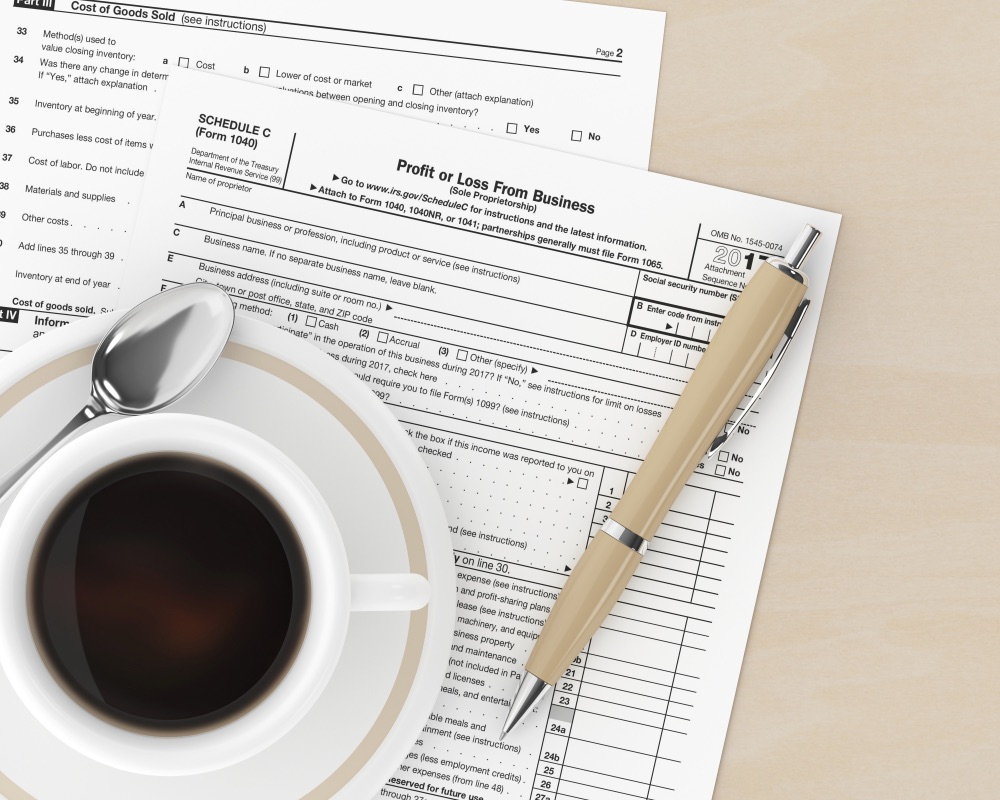
As a freelancer, gig worker, Uber driver, consultant, or sole proprietor, you’re the boss — but Uncle Sam still wants his cut. That’s where Schedule C (Form 1040) comes in: your key to reporting business income and expenses, calculating profit or loss, and claiming powerful deductions that can dramatically reduce your taxable income.
With the 2026 tax filing season underway (for 2025 returns), big updates from the IRS and the One Big Beautiful Bill (OBBB) make this year especially lucrative for self-employed folks. We’re talking a boosted mileage rate, restored bonus depreciation, permanent Qualified Business Income (QBI) perks, and more.
Ready to turn tax time into savings time? Let’s dive in — and avoid the pitfalls that trigger audits or penalties.
What Is Schedule C and Who Needs to File It?
Schedule C is the IRS form sole proprietors use to report profit or loss from business activities. If you earn income via 1099-NEC/MISC (freelance gigs, ridesharing, consulting, Etsy sales, etc.), you’re likely filing one.
Key rule: If your net self-employment earnings are $400 or more, you must file — even if you have a side hustle alongside a W-2 job.
Pro tip: Track everything year-round with apps like QuickBooks, Everlance, or mileage trackers. Poor records = missed deductions = higher taxes.
2026 Key Updates: What’s New This Year?
The IRS announced several game-changers effective for 2025 income (filed in 2026):
• Standard Mileage Rate Jumps to 72.5 Cents per Mile — Up 2.5 cents from 2025! This is huge for gig drivers, delivery folks, and anyone using their car for business. (Medical/moving rates are 20.5 cents; charitable stays at 14 cents.)
Imagine driving 10,000 business miles: That’s a $7,250 deduction — straight off your taxable income.
• Bonus Depreciation Restored Permanently at 100% (via OBBB) — For qualifying assets (equipment, computers, vehicles, etc.) placed in service after January 19, 2025. Buy a new laptop or camera for your freelance setup? Deduct the full cost in year one!
• Qualified Business Income (QBI) Deduction Made Permanent — Up to 20% off your qualified business income. Phase-out thresholds rise (around $200K–$275K single; higher for joint), plus a new $400 minimum deduction if you have at least $1,000 in QBI.
• Self-Employment Tax Reminder — Still 15.3% (Social Security + Medicare), but you deduct half on your 1040. And SEP IRA limits rise to $72,000 (25% of compensation) for retirement savings that cut your current bill.
OBBB perks like no tax on tips/overtime flow through separate forms (Schedule 1-A), but your gross business income still starts on Schedule C.
Top Schedule C Deductions to Maximize in 2026
Here are the heavy hitters — claim them aggressively (but legitimately!):
1. Mileage & Vehicle Expenses
Use the 72.5 cents/mile standard rate (easiest) or actual costs (gas, repairs, depreciation). Keep detailed logs — date, miles, purpose.
2. Home Office Deduction
Exclusive and regular use required (no personal use in the space).
• Simplified method: $5 per square foot (up to 300 sq ft = $1,500 max).
• Regular method: Percentage of home (e.g., 10% of square footage) applied to utilities, rent/mortgage interest, insurance, repairs. Use Form 8829.
Pro move: If you’re remote full-time, this can save thousands.
3. Supplies, Software, Marketing & Advertising
Office supplies, domain fees, ads on social media, Canva/Adobe subscriptions — all deductible.
4. Retirement Contributions
SEP IRA up to $72,000? Massive tax saver. Contribute by your filing deadline (including extensions) to reduce 2025 taxable income.
5. Health Insurance Premiums
Self-employed? Deduct 100% on Form 1040 (not Schedule C).
6. Other Big Ones
• Phone/internet (business portion)
• Professional fees (accountant, lawyer)
• Travel, meals (50% for business meals)
• Education/training related to your business
Common Schedule C Mistakes That Cost You Big (And How to Avoid Them)
Don’t let these trip you up:
• Mixing Personal & Business Expenses → Red flag for audits. Use a separate business bank/credit card.
• Forgetting Quarterly Estimated Taxes → Penalties add up fast. Pay Q1–Q4 on time (deadlines: April 15, June 15, Sept 15, Jan 15).
• Underreporting Income → The IRS gets 1099s too. Report everything.
• Missing QBI or Bonus Depreciation → These are automatic wins — don’t skip!
• No Records → IRS requires substantiation. Apps make it easy.
Worst horror story? Mixing expenses leads to disallowed deductions + penalties. What’s your biggest tax mistake so far? Share in the comments!
Step-by-Step: How to Fill Out Schedule C Like a Pro
1. Gather income (1099s, cash payments).
2. List expenses by category (Part II).
3. Calculate net profit/loss (Line 31).
4. Transfer to Form 1040.
5. Don’t forget self-employment tax on Schedule SE.
Use tax software (TurboTax, H&R Block) for guided filing — it catches common errors.
Final Thoughts: Turn Schedule C Into Your Secret Weapon
2026 is a golden year for self-employed deductions — higher mileage, full bonus depreciation, permanent QBI. Maximize them, and you could slash your tax bill by thousands while building wealth.
Start tracking now, consult a tax pro if your situation is complex, and file accurately by April 15 (or extend to October).
What’s your biggest Schedule C deduction this year? Are you claiming the new mileage rate or going for bonus depreciation? Drop your thoughts/questions below — let’s help each other win tax season!
Disclaimer: This is general info, not personalized advice. Consult a qualified tax professional for your situation.

Leave a Reply