
The One Big Beautiful Bill (OBBBA), signed into law in 2025, delivered a surprise tax win for car buyers: a deduction for up to $10,000 in car loan interest paid each year on qualifying new vehicles. Often called the “no tax on car loan interest” break, it’s not a full exemption on payments — but it can slash your taxable income significantly, especially in the early years of a loan when interest is front-loaded.
With the 2026 filing season opening January 26, the IRS recently released proposed regulations (December 31, 2025) clarifying the rules. If you financed a new U.S.-assembled vehicle in 2025 (or plan to in 2026), this could mean hundreds or thousands back in your pocket. But it’s picky — used cars, leases, foreign assembly, and higher earners often miss out. Let’s break it down so you don’t leave money on the table.
Who Qualifies for the 2026 Car Loan Interest Deduction?
This above-the-line deduction (meaning you get it even if you take the standard deduction) applies to tax years 2025–2028. Key eligibility from IRS guidance:
• Vehicle must be new — Original use starts with you (no used cars, even if “new to you”).
• Final assembly in the United States — Check your window sticker or use the NHTSA VIN Decoder tool. Popular qualifiers include many Ford F-150s, Chevrolet Silverados, and other domestic models.
• Types of vehicles — Cars, minivans, vans, SUVs, pickup trucks, or motorcycles with GVWR under 14,000 lbs. (Most passenger vehicles qualify; heavy commercial rigs don’t.)
• Loan specifics — Originated after December 31, 2024; secured by a first lien on the vehicle; for personal use only (no business/commercial). Refinancing a qualifying loan generally keeps the interest eligible (but negative equity from trade-ins may not count).
• Income limits — Full deduction if your modified adjusted gross income (MAGI) is $100,000 or less (single) or $200,000 or less (joint). It phases out gradually above that and disappears at higher levels.
• Claim it — Report the vehicle’s VIN on your return. Use the new Schedule 1-A for these OBBBA deductions.
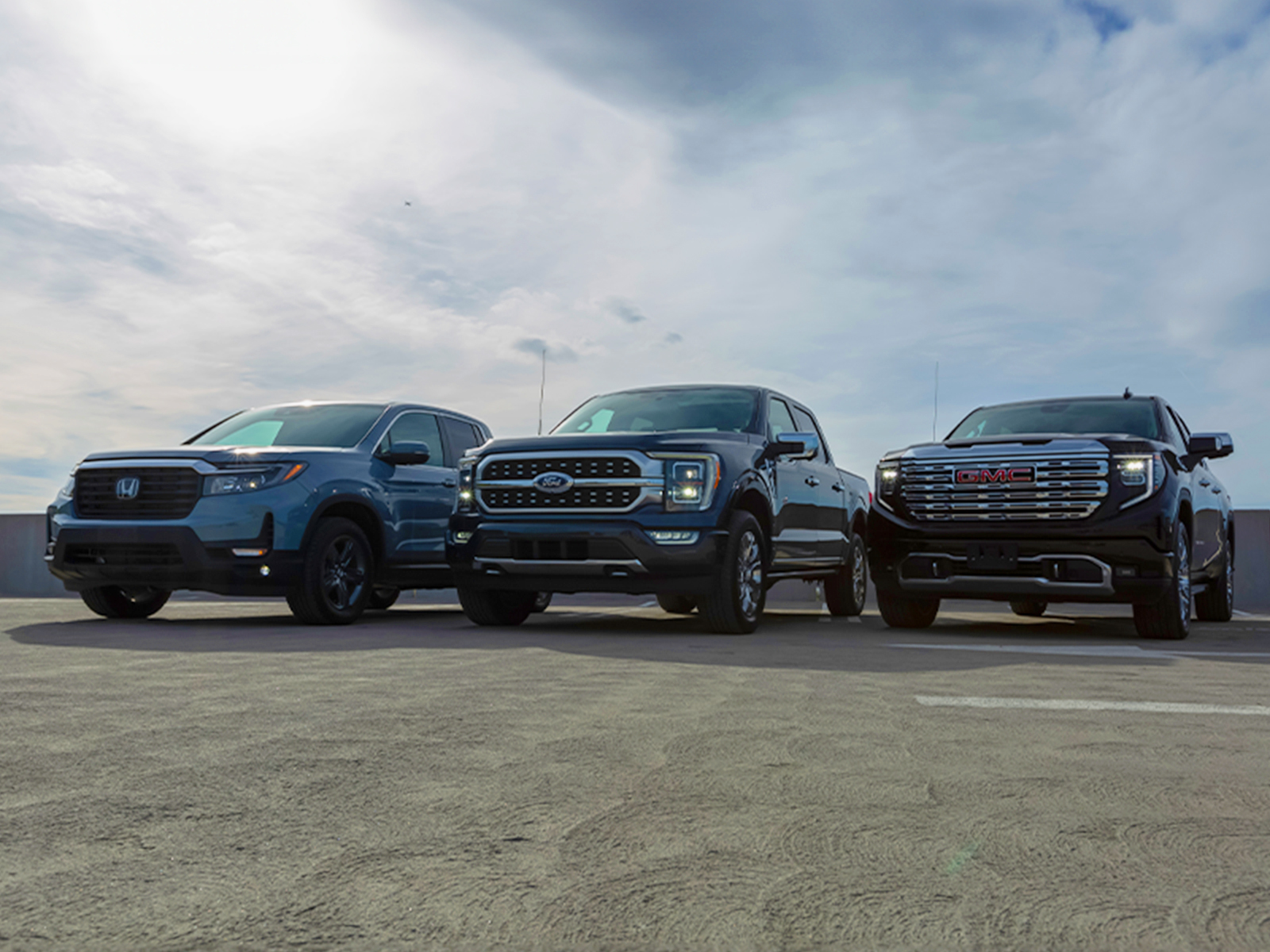
Here are some visual examples of qualifying American-assembled trucks and SUVs that could unlock this break:
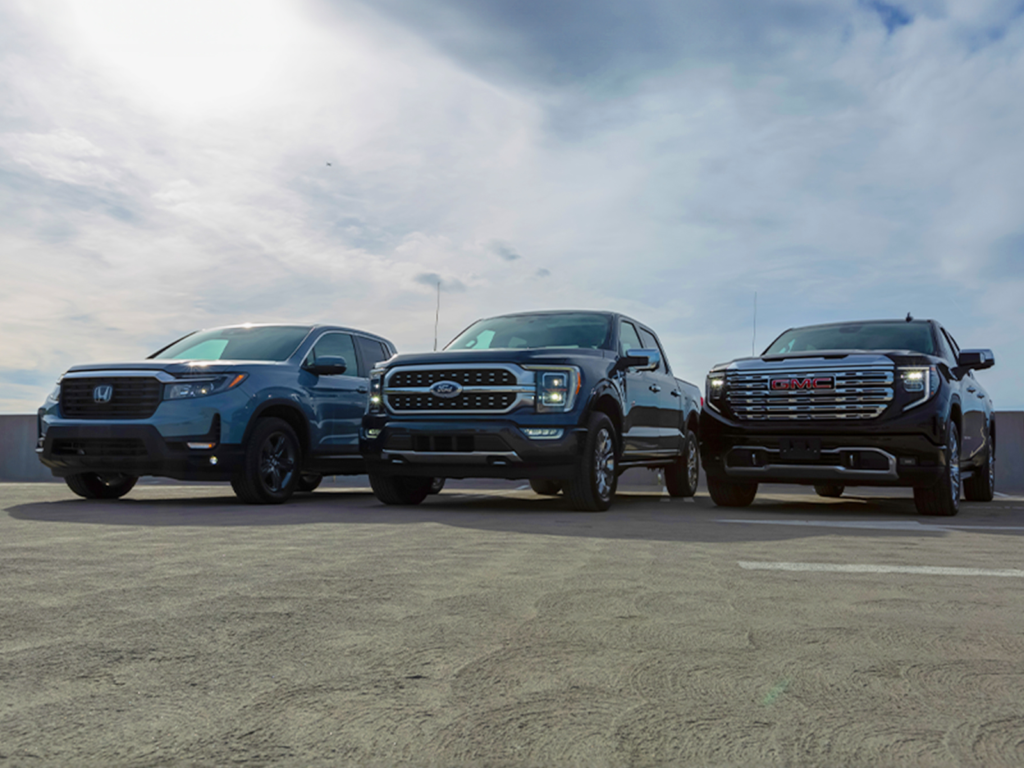
These popular picks (like the Ford F-150) often meet the U.S. assembly rule — always verify your specific VIN!
Real Savings Example: How Much Could You Actually Save?
Interest is highest early in a loan, so year 1 or 2 offers the biggest deduction. Let’s crunch numbers for a typical purchase:
Suppose you finance a $50,000 new U.S.-assembled pickup (e.g., Ford F-150 or Chevy Silverado) at 6% interest over 60 months:
• Year 1 interest paid: ~$2,500–$3,000 (depending on payments).
• If you’re in the 22–24% tax bracket, deducting $3,000 could save you $660–$720 on your federal taxes.
Max it out at $10,000 interest? That’s up to $2,200–$3,700 saved (depending on bracket). Not bad for “buying American”!
How to Claim It: Step-by-Step for 2026 Filing
1. Get your interest statement — For 2025 loans, lenders provide a statement by January 31, 2026 (transitional relief; no new Form 1098-VLI required yet). Starting 2026, expect Form 1098-VLI.
2. Confirm eligibility — Use NHTSA VIN tool for U.S. assembly; ensure personal use (e.g., personal auto insurance).
3. File with Schedule 1-A — Include VIN; claim on your 1040 (above-the-line).
4. Act fast — Filing opens Jan 26, 2026. Prep now to avoid missing out!
Gotchas to Consider:
• Leases? No deduction.
• Foreign assembly (e.g., some Toyota/Honda models)? Nope — even if sold in the U.S.
• Temporary break — Ends after 2028. Is this pushing more “Buy American” decisions, or just a short-term perk?
• Phase-out hits middle-to-upper earners hard — Worth trading up to a qualifying vehicle for the savings?
This deduction rewards supporting U.S. manufacturing while easing vehicle ownership costs. But with rules tightening (proposed regs open for comment until Feb 2, 2026), double-check everything.
Bought a qualifying new car in 2025? Already planning one for 2026? Drop your make/model in the comments — I’ll help verify if it qualifies! Subscribe for daily 2026 tax updates, including no tax on tips/overtime and senior breaks. Let’s maximize your refund this year! 🚗🇺🇸
(Always consult a tax professional for your situation — rules are based on current IRS guidance and could finalize with changes.)

Leave a Reply