
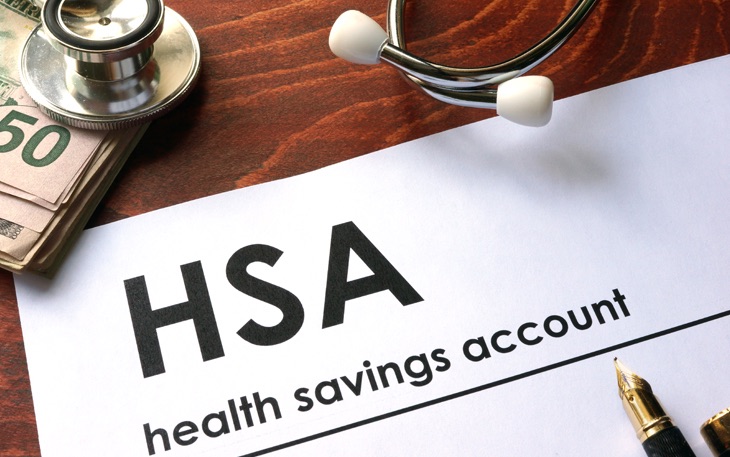
Tax season 2026 is in full swing, and if you’re not already maxing out a Health Savings Account (HSA), you might be leaving thousands on the table—literally.
With healthcare costs continuing to climb (the average family spends over $13,000 annually on medical expenses), HSAs remain one of the most powerful, underutilized tax-advantaged tools available. The IRS just confirmed the 2026 limits, and thanks to the One Big Beautiful Bill Act (OBBBA), access and flexibility have expanded dramatically. This isn’t just about covering doctor visits—it’s about building tax-free wealth that can rival (or even beat) a Roth IRA for long-term healthcare and retirement needs.
Here’s everything you need to know to unlock the full potential in 2026—and why ignoring it could cost you big.
2026 HSA Contribution Limits: Higher Than Ever
The IRS has bumped up the annual limits for contributions (including employer + employee amounts):
• Self-only coverage: $4,400 (up $100 from 2025’s $4,300)
• Family coverage: $8,750 (up $200 from 2025’s $8,550)
• Catch-up contribution (age 55+): +$1,000 (unchanged, but still a nice boost if you’re eligible and not on Medicare)
These limits apply if you’re enrolled in a qualifying High-Deductible Health Plan (HDHP). To be eligible:
• Minimum annual deductible — $1,700 for self-only / $3,400 for family (up slightly from 2025)
• Maximum out-of-pocket (deductibles, copays, etc., excluding premiums) — $8,500 for self-only / $17,000 for family (also up)
Contribute by the tax filing deadline (April 15, 2027, for 2026 tax year) to claim the deduction on your 2026 return. Pro tip: Max out early in the year to let investments grow tax-free longer.
The Triple Tax Advantage: Why HSAs Are a “Superpower”
HSAs offer triple tax-free magic—no other account does this:
1. Contributions are pre-tax (deductible on your return, lowering taxable income).
2. Earnings grow tax-free (invest in stocks, ETFs, mutual funds—many providers like Fidelity let you treat it like a brokerage).
3. Qualified withdrawals for medical expenses (yours, spouse, dependents) are tax- and penalty-free—forever.
Qualified expenses now include more than ever: doctor visits, prescriptions, dental/vision, OTC meds (with receipt), and thanks to OBBBA expansions…
Game-Changing 2026 Updates from the One Big Beautiful Bill Act
The OBBBA (signed in 2025) supercharged HSAs starting this year:
• Permanent telehealth/remote care perk (retroactive to 2025 plans): Get virtual doctor visits, mental health sessions, or remote monitoring before meeting your deductible—without losing HSA eligibility. Huge for busy professionals avoiding unnecessary in-person costs.
• Bronze and catastrophic plans now HSA-eligible (effective Jan 1, 2026): Previously, most Marketplace bronze/catastrophic plans didn’t qualify as HDHPs due to lower deductibles or benefits. Now they do—even if bought off-Exchange. This opens HSAs to millions more people with lower-premium plans.
• Direct Primary Care (DPC) arrangements allowed: Pay flat monthly fees for unlimited primary care visits tax-free with HSA funds (up to reasonable limits, e.g., ~$1,800/year single). No more “insurance-only” restrictions—perfect for preventive-focused folks ditching traditional models.
These changes democratize HSAs, making them accessible beyond traditional employer HDHPs.
The Retirement Hack Angle: HSA as a “Stealth Roth IRA”
Here’s where it gets exciting—and thought-provoking.
After age 65, you can withdraw HSA funds for any purpose (not just medical) without the 20% penalty. You’ll pay ordinary income tax on non-medical withdrawals, but no penalty. That makes your HSA function like a Roth IRA for retirement spending—except medical withdrawals stay 100% tax-free forever.
Example scenario: Max family contributions ($8,750/year) invested at a conservative 7% average return over 20–30 years could grow to six figures (or more), all tax-free for healthcare. Many treat unused portions as a stealth retirement account. Genius… or overkill if you have high medical needs early?
But the flip side: Before 65, non-qualified withdrawals trigger income tax + 20% penalty. Low balances mean missed compounding. And HDHPs require discipline—high deductibles can sting if you’re not healthy.
Is the HSA the ultimate long-term wealth builder, or does it favor the healthy and high earners? The debate rages—comment your take below!
How to Get Started and Maximize in 2026
1. Confirm HDHP eligibility (check your plan docs or insurer).
2. Open an HSA (Fidelity, HSA Bank, or Optum are popular for low fees and investment options).
3. Contribute aggressively—employer matches are free money.
4. Invest wisely (don’t let cash sit; aim for low-cost index funds).
5. Track expenses (apps like HSA trackers help; save receipts forever).
6. Pair with new perks: Consider a bronze plan + HSA for lower premiums + tax savings.
Bottom line: With 2026’s higher limits and OBBBA expansions, HSAs are more powerful than ever. Act now—contributions for 2026 can still reduce your tax bill significantly.
What’s your HSA game plan this year? Are you maxing out, investing aggressively, or just dipping in for medical costs? Drop your thoughts/questions below—I reply to every comment. Subscribe for daily tax tips (TTOTD on X too!), and share if this helped you spot savings!
#HSA2026 #TaxSavings #RetirementPlanning #FinancialFreedom
Leave a Reply